The Internet of Things (IoT) in agriculture offers a range of benefits to farmers, including improved efficiency, reduced costs, and increased crop yields.
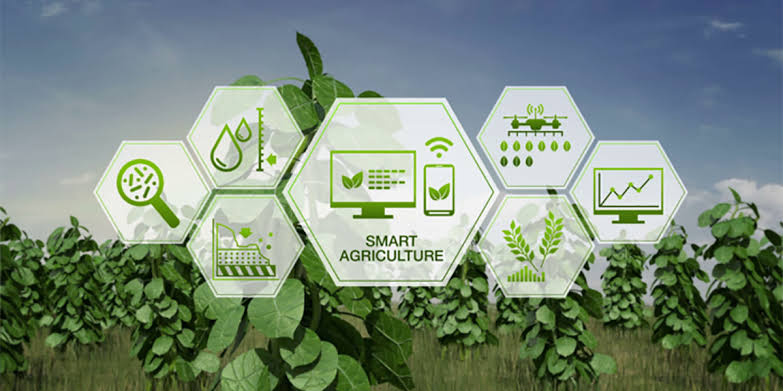
Following are some ways in which IoT is being used in agriculture.
Precision Agriculture
IoT devices such as sensors, drones, and satellites are used to collect data about soil, weather, and crop health, which can help farmers make more informed decisions about irrigation, fertilization, and pest control. This approach is known as precision agriculture and can result in higher crop yields and reduced waste.
Livestock Monitoring
IoT devices are used to monitor the health and well-being of livestock. For example, sensors can be used to detect changes in an animal’s behavior, such as reduced activity levels or increased body temperature, which can indicate illness.
Automated Irrigation
IoT devices can be used to automate irrigation systems, which can reduce water waste and improve crop health. Sensors can detect soil moisture levels and adjust irrigation accordingly, ensuring that crops receive the right amount of water at the right time.
Crop Monitoring
IoT devices can be used to monitor crop growth and development, which can help farmers make more informed decisions about when to harvest their crops. This can result in higher yields and better quality produce.
Supply Chain Management
IoT devices can be used to track products as they move through the supply chain, from farm to table. This can help to reduce waste and improve efficiency, as farmers can better manage inventory and retailers can better predict demand.
Conclusion
Overall, IoT technology has the potential to revolutionize the way we farm and produce food, making agriculture more efficient, sustainable, and profitable.
 Tech Brains
Is it economic?
Can it be brought door to door?
LikeLiked by 1 person